
Unlocking Your Homeownership Goals: Why Down Payment Assistance Is Changing the Game in Southeastern Connecticut
For many aspiring home buyers across Southeastern Connecticut—from the historic neighborhoods of Mystic and Stonington to the coastal communities of Groton, Waterford, and Old Lyme—the biggest hurdle to purchasing a home isn’t monthly income. Often, it’s the upfront cash needed for a down payment.
A common misconception is that buyers simply don’t make enough money to save for a home. But the reality is quite different: most buyers aren’t short on income; they’re short on information.
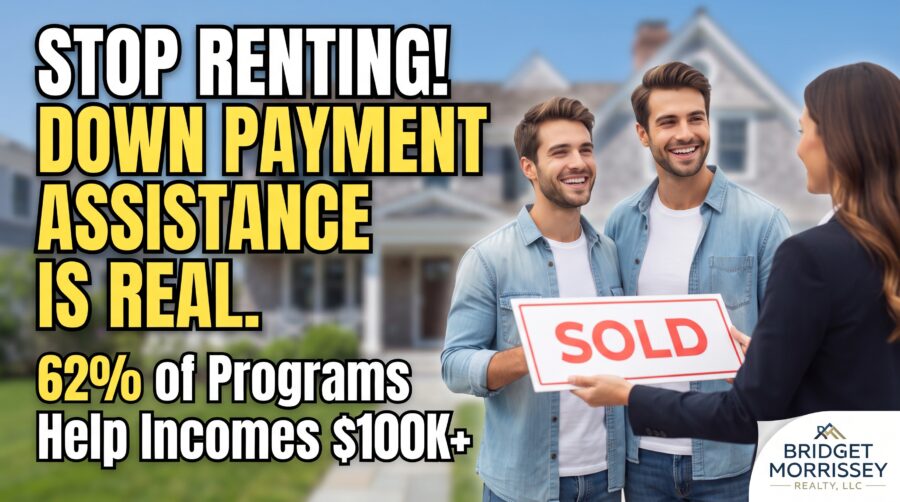
National data highlights a massive opportunity that many local buyers (and even some real estate agents) overlook: there are over 2,700 down payment assistance (DPA) programs available across the country. Even more surprising? 62% of these programs serve buyers with incomes over $100,000.
If you’ve been sitting on the sidelines assuming you earn too much to qualify for assistance, or if you’re a seller wondering how to attract well-qualified buyers in today’s market, here is what you need to know about navigating down payment assistance.
What Is Down Payment Assistance (DPA)?
Down payment assistance programs provide funds from state, county, municipal, or nonprofit housing finance agencies to help buyers cover their down payment and closing costs. These programs typically fall into four main categories:
-
Grants: Free money that does not need to be repaid (making up roughly 9% of programs).
-
Forgivable Second Loans: Loans that are entirely forgiven if the buyer remains in the home for a set number of years (typically 2 to 5 years).
-
Deferred Second Loans: Zero-monthly-payment loans that are only repaid when the buyer sells, refinances, or pays off the primary mortgage.
-
Repayable Second Loans: Low-interest second mortgages with manageable monthly payments.
According to industry data from Down Payment Resource, the average benefit package is approximately $18,000—an incredible boost that can instantly bridge the gap between renting and homeownership.
Who Actually Qualifies?
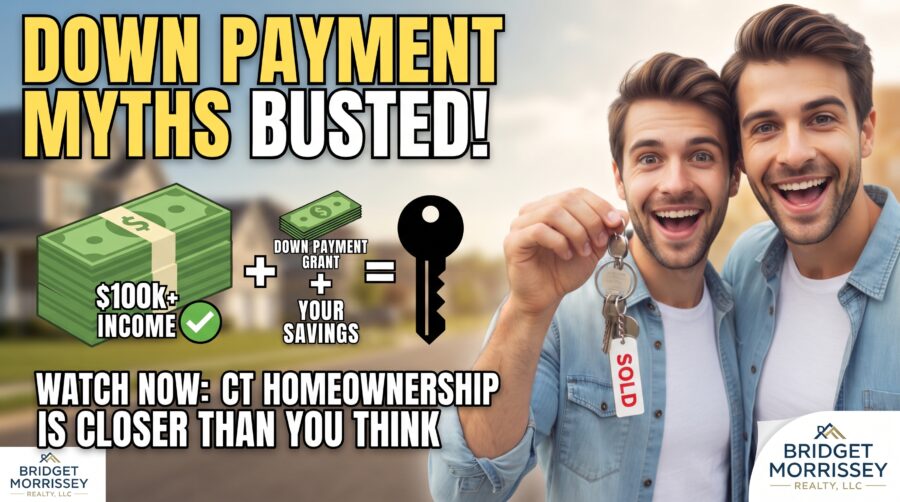
The criteria for DPA programs are far more flexible than most people realize:
-
First-Time Buyer Flexibility: In many programs, a “first-time buyer” simply means someone who hasn’t owned a home in the past three years.
-
Income Limits: More than 60% of programs are open to households earning over six figures, and roughly 11% have no income limit at all.
-
Property Types: While single-family homes are standard, up to 80% of programs can be used for new construction, 40% for manufactured homes, and 35% for 2-to-4-unit properties—opening up fantastic house-hacking opportunities for smart investors.
-
Targeted Professions: Many programs offer specialized assistance for educators, veterans, first responders, military families, and healthcare workers.
How to Make DPA Work in Your Real Estate Strategy
-
For Buyers: Stop assuming you don’t qualify. Instead of letting a lack of upfront savings keep you renting for another year, partner with a knowledgeable local lender who specializes in DPA-friendly loan products (such as FHA, VA, or conventional low-down-payment options).
-
For Sellers: If a prospective buyer presents an offer utilizing down payment assistance, don’t write it off as weak . Work with an experienced agent and lender team who can verify the buyer’s pre-approval strength, ensure smooth timelines, and demonstrate that the transaction is rock-solid.
Ready to Explore Your Options?
Whether you’re looking to buy your first home along the Connecticut shoreline or preparing to list your property this season, having the right guidance makes all the difference.
Bridget Morrissey Realty, LLC is here to help you navigate every step of the real estate journey with confidence and expert local insight. Contact us today at (860) 857-5165 or visit bridgetmorrissey.com to discuss your next move!